
Decoding Business Financial Statements: A Financial Statements Guide
- Staff
- Jan 5
- 4 min read

Understanding your company’s financial health is crucial for making smart decisions and planning for growth. Yet, many small and midsize business owners find financial statements confusing or overwhelming. I’m here to simplify that process. This financial statements guide will walk you through the essentials, helping you decode the numbers and use them to your advantage.
Why This Financial Statements Guide Matters
Financial statements are more than just numbers on a page. They tell the story of your business’s performance, stability, and potential. When you understand these documents, you can:
Identify strengths and weaknesses in your operations
Make informed budgeting and investment decisions
Communicate clearly with lenders, investors, and partners
Plan for sustainable growth with confidence
This guide breaks down the key components of financial statements. I’ll explain what each part means, why it matters, and how you can use it to improve your business.
What are business financial statements?
At their core, financial statements are formal records of your business’s financial activities. They provide a snapshot of your company’s financial position and performance over a specific period. The main types of financial statements include:
Balance Sheet - Shows what your business owns (assets), owes (liabilities), and the owner’s equity at a specific point in time.
Income Statement (or Profit and Loss Statement) - Summarizes revenues, expenses, and profits over a period.
Cash Flow Statement - Tracks the flow of cash in and out of your business.
Statement of Changes in Equity - Details changes in owner’s equity during the reporting period.
Each statement serves a unique purpose but together, they provide a comprehensive view of your business’s financial health.

Breaking Down the Balance Sheet
The balance sheet is often the first place to start. It answers the question: What is my business worth right now? It lists your assets, liabilities, and equity.
Assets: These are resources your business owns that have value. Examples include cash, inventory, equipment, and accounts receivable.
Liabilities: These are debts or obligations your business owes to others, such as loans, accounts payable, and taxes.
Equity: This represents the owner’s stake in the business. It’s calculated as Assets minus Liabilities.
A balanced sheet means assets equal liabilities plus equity. This balance shows that your resources are funded either by borrowing or by owner investment.
Actionable tip: Regularly review your balance sheet to monitor your debt levels and asset growth. If liabilities grow faster than assets, it may signal financial stress.
Understanding the Income Statement
The income statement reveals how much money your business made or lost over a period. It’s often called the profit and loss statement because it shows your net profit or loss.
Key components include:
Revenue: Total sales or income generated.
Cost of Goods Sold (COGS): Direct costs related to producing goods or services.
Gross Profit: Revenue minus COGS.
Operating Expenses: Costs like rent, salaries, utilities, and marketing.
Net Income: What remains after subtracting all expenses from revenue.
This statement helps you see if your business is profitable and where expenses might be too high.
Example: If your revenue is $100,000 and your expenses total $90,000, your net income is $10,000. This means your business earned a profit of $10,000 during that period.
Actionable tip: Use the income statement to identify areas where you can cut costs or increase sales. Tracking trends over time helps you spot patterns and make better decisions.
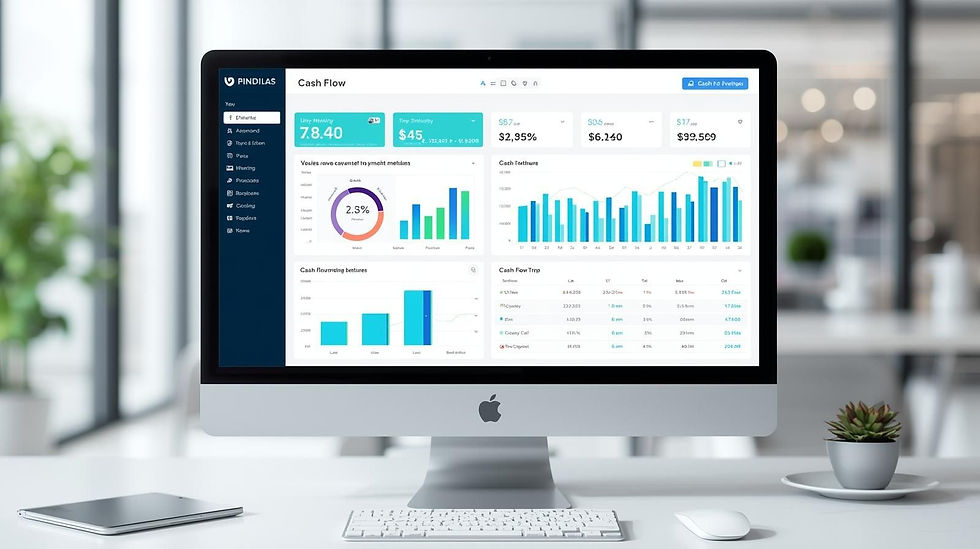
The Importance of the Cash Flow Statement
Cash flow is the lifeblood of any business. The cash flow statement shows how cash moves in and out, divided into three categories:
Operating Activities: Cash generated or used in daily business operations.
Investing Activities: Cash spent on or received from buying and selling assets like equipment.
Financing Activities: Cash from loans, repayments, or owner investments.
Even profitable businesses can fail if they run out of cash. This statement helps you understand your liquidity and plan for cash shortages.
Example: If your income statement shows a profit but your cash flow statement shows negative cash flow, it might mean you have unpaid invoices or high inventory costs.
Actionable tip: Monitor your cash flow regularly. Create a cash flow forecast to anticipate periods when cash might be tight and plan accordingly.
How to Use Financial Statements to Grow Your Business
Once you understand these statements, you can use them strategically:
Set realistic budgets based on past expenses and revenues.
Plan investments in equipment or staff by analyzing cash flow and equity.
Negotiate better terms with lenders by showing clear financial records.
Track progress toward financial goals with regular statement reviews.
Identify warning signs early, such as declining profits or increasing debt.
Remember, financial statements are tools for decision-making. They are not just for accountants but for you as a business owner to steer your company toward success.
Final Thoughts on Decoding Financial Statements
Mastering your financial statements is a powerful step toward financial clarity and business growth. By regularly reviewing your balance sheet, income statement, and cash flow statement, you gain insight into your company’s health and can make smarter decisions.
If you want to deepen your understanding, consider working with a financial partner who can provide strategic leadership and support. This partnership can help you interpret your numbers and plan for a sustainable future.
For more detailed information, you can explore business financial statements to get a comprehensive view of how these documents work together.
Taking control of your financial statements today sets the foundation for a stronger, more resilient business tomorrow.


